Spices and Kitchen Herbs: Hand-Drawn Illustrations for Creative Projects
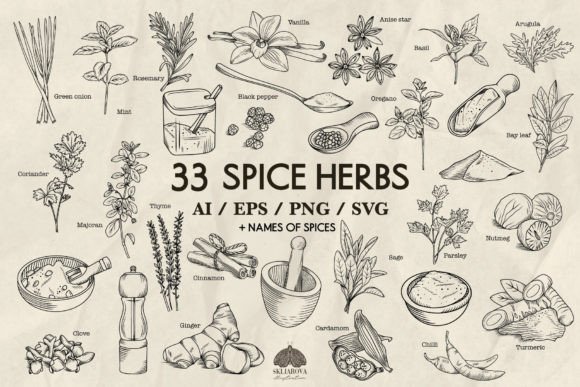
There's a certain warmth that hand-drawn illustrations bring to a project—especially when they depict something as universally inviting as spices and herbs. The Spices and Kitchen Herbs SVG PNG EPS collection taps into that charm, offering 33 meticulously crafted vector illustrations that capture the organic beauty of basil, rosemary, cinnamon, and dozens of other culinary staples. Whether you're designing a wedding invitation, branding a boutique food product, or creating merchandise for a cooking blog, these illustrations deliver a level of authenticity that stock photography often misses.
Why Hand-Drawn Spice Illustrations Stand Out in a Crowded Market
We live in an era saturated with polished, hyper-realistic imagery. There's nothing wrong with that, but when every coffee shop logo uses the same sleek espresso cup vector and every wellness brand leans on identical leaf motifs, things start to blur together. Hand-drawn illustrations cut through that noise. They carry imperfections—a slightly uneven line here, a whimsical curl there—that signal craftsmanship and intentionality.
This particular set includes items like turmeric root, star anise, black peppercorns, fresh mint, and lavender sprigs, each rendered with a naturalistic sketching style that feels both artisanal and approachable. The line work is confident without being rigid, which means these illustrations adapt beautifully to a range of design aesthetics. A rustic farmhouse brand can use them one way; a modern meal-kit startup can use them in an entirely different context, and both will feel intentional.
Practical Applications Across Design and Business
One of the strongest advantages of this collection is its versatility. The vector files—available in SVG, AI, and EPS formats—scale without any loss of quality. That means the same illustration of a rosemary sprig works just as well on a tiny favicon as it does on a three-foot-wide trade show banner. You can recolor elements to match brand palettes, isolate individual herbs, or compose elaborate arrangements for editorial layouts.
Here's where these assets genuinely shine in real-world projects:
- Packaging Design: Food brands, especially those in the artisan, organic, or specialty space, can use these illustrations on labels, boxes, and bags. A hand-drawn dill illustration on a spice jar label immediately communicates freshness and care.
- Branding and Logo Development: Restaurants, meal-prep services, cooking classes, and farmers' market vendors often need visual identities that feel grounded and authentic. These illustrations integrate seamlessly into logo concepts, business cards, and letterhead.
- Social Media Content: Instagram posts, Pinterest pins, and Facebook graphics benefit enormously from distinctive visual assets. Instead of relying on the same Canva templates everyone else uses, content creators can build a recognizable aesthetic around these hand-drawn elements.
- Wedding and Event Stationery: Garden-party invitations, herb-themed wedding menus, and botanical table settings become effortlessly elegant with illustrations of thyme, oregano, and sage woven into the design.
- Merchandise and Sublimation: The high-resolution PNG files (4100x4100 pixels at 300 dpi with transparent backgrounds) are ready for sublimation printing on mugs, tote bags, t-shirts, pillows, and aprons. If you run an Etsy shop or a small print-on-demand business, this is where the set pays for itself quickly.
- Blog and Website Graphics: Food bloggers and recipe developers can use these illustrations as decorative accents, section dividers, or featured images that reinforce their niche without relying on generic stock imagery.
- Editorial and Print Layouts: Cookbook designers, magazine art directors, and self-publishing authors will find these illustrations add a layer of visual storytelling that photography alone can't always achieve.
Working With Vector and Raster Formats Together
A practical note for designers who might be newer to working with mixed-format asset packs: understanding when to use which file type saves significant time. The vector files (AI, EPS, SVG) are your go-to for anything that requires scaling, recoloring, or editing paths. Opening them in Adobe Illustrator or Affinity Designer gives you full control over stroke weights, color fills, and composition. Want to turn a sage illustration into a monoline icon for an app interface? Vector files make that straightforward.
The PNG files, on the other hand, are best suited for projects where you need a ready-to-use element with a transparent background—dragging an illustration into a Canva design, placing it on a product mockup, or layering it over a textured background in Photoshop. At 300 dpi and generous dimensions, they hold up beautifully in print.
Smart designers keep both formats on hand and choose based on the project's demands. A quick social media graphic might only need the PNG. A full brand identity system benefits from the editable vectors.
Building Visual Consistency With a Themed Illustration Set
One challenge small businesses and independent creators face is maintaining visual consistency across platforms. Your Instagram should feel like it belongs to the same brand as your packaging, which should feel connected to your website. When you pull illustrations from different sources—grabbing one herb sketch from a free site, another from a paid library—the styles inevitably clash. Line weights differ. Detail levels vary. The overall impression becomes disjointed.
A curated set like this solves that problem elegantly. Because all 33 illustrations share a consistent hand-drawn style, they work together harmoniously. You can build an entire visual system around them: use a clove illustration on your product label, echo it in your Instagram story templates, reference the same style in your thank-you card inserts. That repetition builds recognition. Customers start associating that particular aesthetic with your brand, and that association is the foundation of strong brand identity.
Choosing the Right Illustration for Your Project's Tone
Not every spice illustration communicates the same message. A bold chili pepper sketch carries energy and heat—perfect for a hot sauce brand or a spicy-food blog. A delicate chamomile flower, on the other hand, suggests calm and wellness, making it ideal for tea packaging or a self-care product line. Lavender evokes elegance and relaxation. Black pepper feels classic and foundational.
Before selecting illustrations from the set, take a moment to consider your project's emotional tone. What feeling do you want your audience to have when they encounter your design? Match the illustration to that intention, and the result will feel cohesive rather than decorative for decoration's sake.
Also consider how these illustrations interact with your typography. Pairing a hand-drawn herb sketch with a clean sans serif font creates a modern contrast. Using it alongside a script or handwritten typeface amplifies the artisanal feel. Experiment with combinations before committing—what looks charming in isolation can sometimes feel cluttered when layered with competing visual elements.
Licensing and Commercial Use Considerations
For anyone planning to use these illustrations in commercial projects—whether that's selling printed merchandise, using them in client work, or incorporating them into products for sale—reviewing the licensing terms is essential. Most premium design asset packs like this one include commercial use rights, but specifics vary. Some licenses allow unlimited commercial use; others may have restrictions on print-on-demand quantities or require attribution.
The good news is that investing in properly licensed assets protects your business. Using unlicensed or poorly sourced graphics can lead to legal headaches down the road, especially as your brand grows. A one-time purchase of a well-documented, commercially licensed illustration set is one of the most cost-effective investments a small business or independent creator can make.
The Spices and Kitchen Herbs SVG PNG EPS collection represents exactly the kind of design asset that bridges the gap between professional quality and accessible pricing. It gives creators the tools to produce distinctive, cohesive work without hiring an illustrator for every project—and in a visual landscape where standing out matters more than ever, that kind of resource is genuinely valuable.